Top 5 Best Distribution Transformers for Efficient Energy Distribution?
The energy landscape is rapidly evolving, and efficient energy distribution is more crucial than ever. Distribution transformers play a pivotal role in this system. According to the International Energy Agency (IEA), the demand for electricity is expected to grow by 2.1% annually until 2040. This surge stresses the importance of choosing the right distribution transformers. They help lower energy losses, improve voltage regulation, and maintain system reliability.
Various reports indicate that up to 10% of electricity can be lost during transmission and distribution. High-quality distribution transformers minimize such losses. Yet, many facilities overlook the impact of these devices. Choosing the right transformer is vital for optimal performance. Aging transformers can be less efficient, leading to increased operational costs. The focus on technological advancements in transformer design is not merely an option but a necessity.
In today's market, numerous options exist. Yet, not all distribution transformers are made equal. Understanding specifications, materials, and efficiencies allows for informed choices. Companies should prioritize transformers that promise longevity and high performance. Amidst these choices, reflecting on existing systems is essential for continuous improvement.
Understanding Distribution Transformers and Their Importance in Energy Efficiency
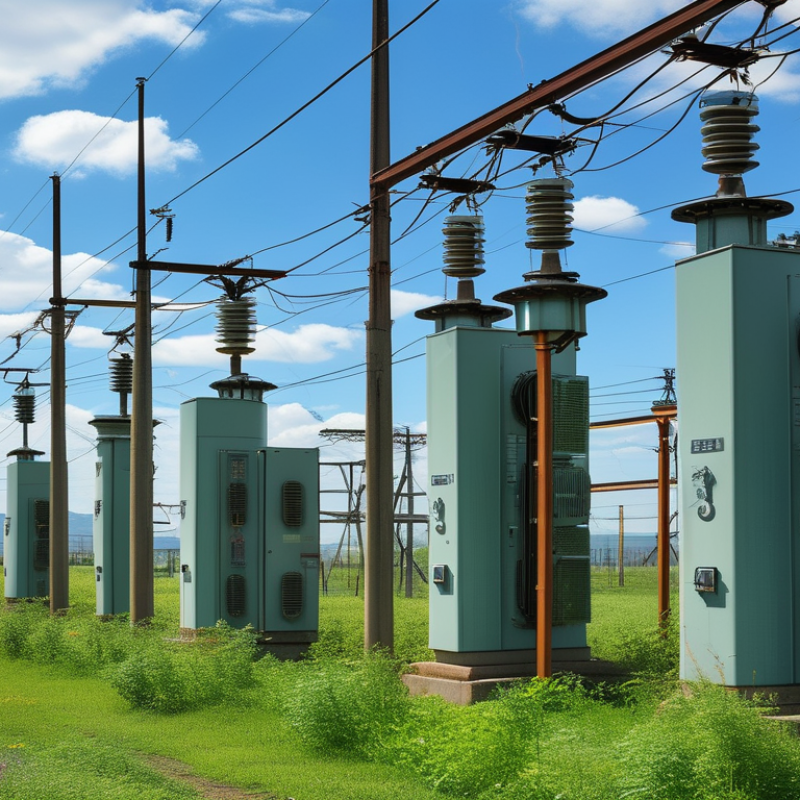
Distribution transformers play a crucial role in energy efficiency. These devices lower voltage levels for safe distribution. They are found in substations and overhead networks, bridging the gap between high-voltage lines and consumer needs. Understanding their design and operation can significantly enhance energy performance.
Efficiency in energy distribution requires careful selection of transformers. Factors like load management and loss minimization are vital. Not all transformers perform equally. Some may overheat or exhibit high losses, which affects overall productivity. Regular maintenance and monitoring can reveal potential inefficiencies in older units.
While newer designs promise improved performance, they also come with challenges. The transition to more innovative technologies may involve costly upgrades. Professionals must weigh these costs against the expected benefits. The future of energy distribution relies on continuous improvement and learning from past experiences. Engaging with industry experts can guide best practices and innovations in transformer technology.
Top 5 Best Distribution Transformers for Efficient Energy Distribution
| Model |
Power Rating (kVA) |
Efficiency (%) |
Cooling Method |
Weight (kg) |
Dimensions (L x W x H, cm) |
| TX-1000 |
1000 |
98.5 |
Oil-immersed |
350 |
120 x 80 x 90 |
| TX-1500 |
1500 |
98.7 |
Dry type |
500 |
130 x 90 x 100 |
| TX-2000 |
2000 |
98.2 |
Oil-immersed |
700 |
140 x 100 x 110 |
| TX-2500 |
2500 |
98.9 |
Dry type |
800 |
150 x 110 x 120 |
| TX-3000 |
3000 |
99.0 |
Oil-immersed |
900 |
160 x 120 x 130 |
Factors to Consider When Selecting the Best Distribution Transformers
When selecting distribution transformers, several factors come into play. Efficiency is key. According to a report by the Electric Power Research Institute, up to 90% of energy loss occurs in low-efficiency transformers. This highlights the importance of choosing transformers that meet or exceed efficiency standards.
Transformers must also be adaptable. The right transformer should operate well under varying loads. A study by the Institute of Electrical and Electronics Engineers indicates that transformers designed for multiple load scenarios can significantly enhance reliability. It is crucial to assess the specific needs of your energy distribution network.
Design matters. The physical characteristics of a transformer affect its performance. For instance, a well-designed cooling system can lower operating temperatures, enhancing lifespan. A report from the International Energy Agency (IEA) notes that effective cooling can improve efficiency by 5-8%. These factors indicate that careful consideration can lead to improved energy distribution outcomes.
Overview of the Top 5 Distribution Transformers for Efficient Energy Distribution
In the realm of energy distribution, choosing the right transformer is crucial. The efficiency of a distribution transformer impacts power loss, maintenance costs, and overall system reliability. Here’s an overview of five distribution transformers that stand out in promoting efficient energy use.
When selecting a transformer, consider the load requirements carefully. Different transformers come with varied impedance levels, which can affect overall performance. This detail can determine how much energy is lost during distribution. Keeping an efficient energy flow is not just about picking the latest model; it's about understanding the needs of your system.
Tips: Regular maintenance can prolong transformer life. Dirty or damaged components often lead to inefficiencies. Additionally, ensure proper ventilation to prevent overheating. Look out for unusual noise or vibrations, which could indicate underlying issues. These details matter more than one might think. Monitoring systems can provide insights into performance that are often overlooked.
Comparative Analysis of Key Features of Each Transformer Model
When evaluating distribution transformers, several key features distinguish the models available on the market. Efficiency is paramount; a well-designed transformer minimizes energy loss during distribution. Some models excel in energy efficiency ratings, providing significant operational savings. Additionally, the cooling mechanism can vary, impacting performance under high loads.
Another aspect to consider is the transformer's capacity. Some models can handle higher loads, making them ideal for urban areas. Others may struggle in such environments, which could lead to overheating or premature failures. Transformer durability is also critical; those made from high-quality materials tend to last longer, reducing maintenance costs and downtime.
Noise levels may not be the first concern for many users, but they can be significant, especially in residential areas. A quieter transformer enhances community living, yet finding one that balances efficiency and noise can be challenging. Proper sizing is essential, as improperly sized transformers can lead to inefficiencies. An undersized unit may overload, while an oversized one can waste energy and increase operational costs.
Maintenance Tips to Enhance the Efficiency of Distribution Transformers
Maintaining distribution transformers is crucial for efficient energy distribution. Regular checks can prevent issues before they escalate. A clean environment plays a significant role.
Dust on surfaces can affect performance. Consider inspecting your transformers at least quarterly.
Inspecting oil levels is another essential task. Low oil levels can lead to overheating. It’s wise to keep a log of oil levels and conduct tests for moisture. Addressing these issues promptly enhances longevity. Also, ensure that all connections are secure.
Loose wires can cause disruptions or even failures.
Monitoring temperature is equally important. High temperatures can indicate problems. Make sure to have a reliable thermometer installed.
Let’s not forget about record-keeping. Document all maintenance activities. This creates a reliable history for future troubleshooting. Engaging in these practices can make a real difference.
Over time, you may notice fewer disturbances and smoother operations.