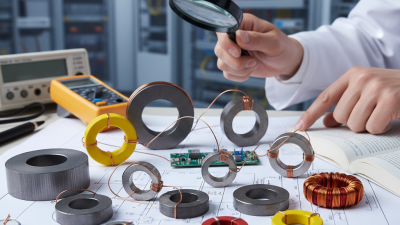
In the realm of electrical engineering, the "Transformer Core" plays a pivotal role. This component is essential in various applications, from power distribution to renewable energy systems. It dictates efficiency and performance, impacting overall energy conversion.
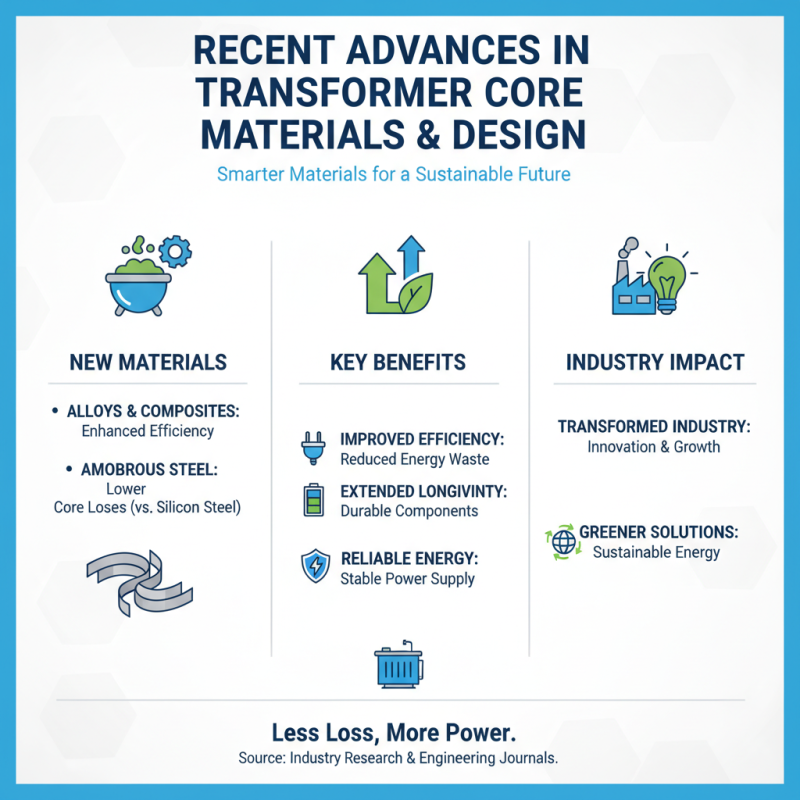
Recent innovations in transformer core technology have transformed the industry. These advancements include new materials and designs, enhancing energy efficiency. For instance, amorphous steel cores have emerged, reducing losses significantly. However, some technologies still face challenges. High costs and production complexities hinder widespread adoption.
As the demand for energy-efficient solutions rises, understanding these innovations becomes crucial. Each advancement opens new possibilities and reflects on our response to energy challenges. By exploring the top ten breakthroughs in transformer core technology, we uncover a landscape ripe for development and improvement.
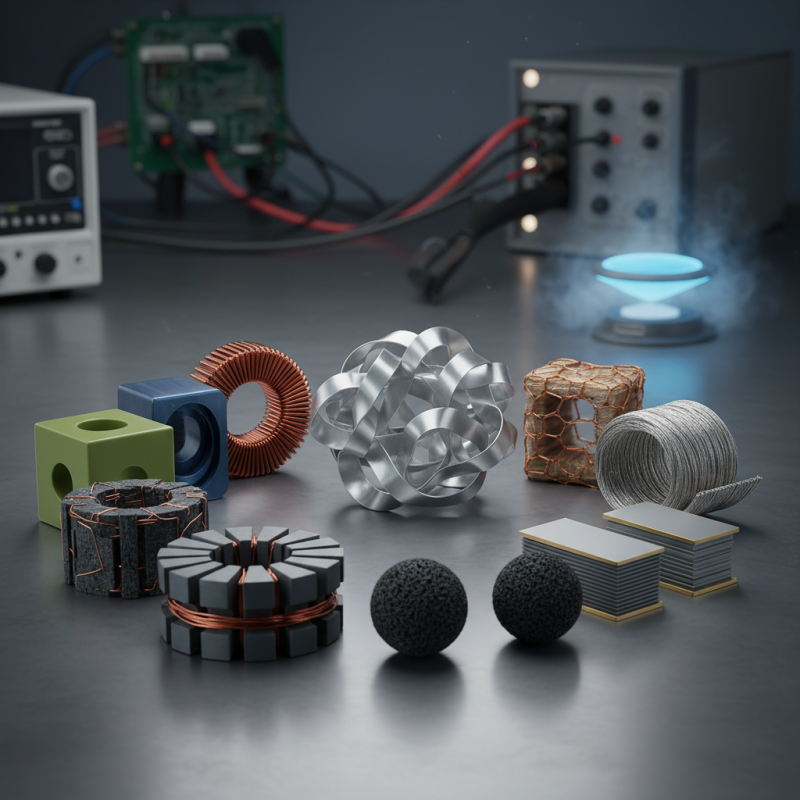
Recent advances in transformer core materials have transformed the industry. Engineers are now exploring new alloys and composite materials that improve efficiency and reduce losses. These innovations enhance performance and longevity, leading to more reliable energy solutions. The use of amorphous steel is particularly notable. It has lower core losses compared to traditional silicon steel.
Design improvements also play a significant role. New geometries and optimal thin laminations are being researched. These designs minimize magnetic hysteresis and improve overall magnetic flux. Additionally, 3D printing technology is making waves. It allows for bespoke designs that cater to specific applications, fostering customization in transformer manufacturing.
Challenges remain, however. While new materials can enhance performance, they often come with higher costs. The scalability of these advanced materials is also a concern. Many manufacturers are hesitant to invest in new technologies without proven returns. Striking a balance between innovation and practicality will be crucial for future advancements. The journey toward optimal transformer core technologies is ongoing, full of potential yet demanding careful consideration.
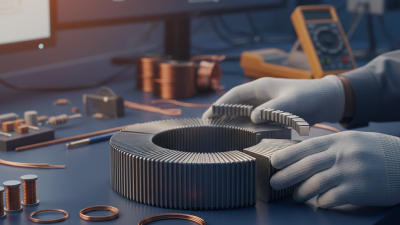
Innovations in magnetic core geometries are transforming transformer technology. Engineers are exploring new shapes and materials to enhance efficiency. These developments aim to reduce losses and improve energy transfer. A core's geometry directly influences magnetic flux and heat dissipation.
For instance, toroidal shapes minimize air gaps and provide better magnetic pathways. Laminated cores are also gaining traction. They reduce eddy current losses significantly. The focus is on utilizing advanced materials that can withstand higher frequencies. This can lead to smaller and lighter transformer designs.
However, not all innovations yield instant results. Some geometries may create unexpected challenges, like pressure points that can affect durability. Ongoing research is critical to address these issues. The path to optimized core designs requires a balance between performance and manufacturability. Understanding these complexities is key to future advancements in transformer technology.
The chart below showcases various innovations in magnetic core geometries and their enhanced efficiency ratings, illustrating the effectiveness of different transformer core technologies.
The development of amorphous and nanocrystalline core technologies significantly impacts transformer efficiency. These materials offer lower core losses compared to conventional silicon steel. The unique molecular structure of amorphous materials leads to reduced magnetic hysteresis. This results in better energy conservation.
Nanocrystalline cores, with their fine-grained structure, provide even lower losses. They are effective at higher frequencies, making them suitable for modern applications. Such advancements enable slimmer transformers with higher efficiency. Additionally, these technologies can be manufactured with a focus on sustainability. However, the production process can be complex and requires careful handling.
Tips: When designing transformers, consider the application. Determine the frequency requirements. This helps in selecting the right core material. Proper testing is essential to evaluate performance. Stay updated on innovations in core materials to enhance design efficiency. Embrace the learning curve. Adapt to new technologies incrementally to better integrate them into existing systems.
The integration of smart sensors in transformer core systems represents a significant advancement in the field of power engineering. These sensors help monitor temperature, vibration, and electromagnetic fields in real-time. By using advanced algorithms, they analyze data to predict potential failures. Early detection can prevent costly outages and extend the lifespan of transformers.
Tips: Regular maintenance of sensors is crucial. Ensure they are calibrated appropriately for accurate readings.
Smart sensors also support remote monitoring. Operators can track performance and conditions from anywhere. This capability improves response times during emergencies. However, reliance on technology can introduce challenges. Cybersecurity threats, for instance, may expose sensitive operational data.
Tips: Implement robust cybersecurity measures to safeguard your systems.
While smart sensors enhance reliability, understanding their limitations is essential. Not all issues can be detected early. Human oversight remains necessary to interpret data and make informed decisions. Blending technology with expertise creates a more resilient transformer system.
The trend toward eco-friendly and sustainable transformer core innovations reflects a growing awareness of environmental concerns. Manufacturers are exploring materials that minimize ecological impact. For example, amorphous steel offers better magnetic properties and reduces energy losses. These materials are lighter, enhancing the overall efficiency of transformers.
Recycling is an essential practice in this field. Components from old transformers can be repurposed. This not only cuts costs but also reduces waste. Moreover, new designs focus on efficiency, producing less heat. This innovation leads to lower energy consumption, making transformers more sustainable.
However, challenges remain. Not all innovations are readily available or cost-effective. Some newer materials may not have been fully tested in all conditions. Further research is required to ensure reliability. Balancing cost and sustainability is an ongoing struggle in the industry. Companies must reflect on best practices to move forward effectively.
| Innovation | Description | Benefits | Sustainability Impact |
|---|---|---|---|
| Amorphous Steel Cores | Utilizes a non-crystalline structure to reduce energy losses. | Higher energy efficiency, reduced operational costs. | Lower carbon footprint due to reduced energy consumption. |
| Silicon Steel Alloys | Incorporates silicon to enhance magnetic properties. | Improved efficiency and reduced heat generation. | Sustainable due to fewer resources needed for cooling. |
| Nano-crystalline Cores | Utilizes nano-structured materials for enhanced performance. | Significantly lowers core losses. | Reduces material usage and energy waste. |
| Hybrid Cores | Combination of different materials to enhance performance. | Optimized performance for various applications. | Flexible options for sustainability in design. |
| High-Temperature Superconductors | Utilizes superconducting materials for lower resistive losses. | Higher power density and efficiency. | Minimized heat waste aligns with eco-friendly goals. |
| Biodegradable Insulation | Uses organic materials for insulation that decompose naturally. | Reduces environmental impact at end-of-life. | Promotes sustainability through potential zero waste. |
| Smart Transformer Cores | Incorporates IoT technology for real-time monitoring. | Enhanced operational efficiency and maintenance. | Optimizes energy usage through predictive analytics. |
| Aluminum Cores | Utilizes lightweight aluminum instead of heavier materials. | Reduced weight without sacrificing strength. | Less material usage leads to lower environmental impact. |
| Customized Core Geometry | Tailored designs for specific applications to improve performance. | Maximized performance based on unique requirements. | Efficient usage of materials contributes to sustainability. |