China Best Common Mode Choke Applications and Benefits Explained?
Common Mode Choke (CMC) technology is crucial in modern electronics. It plays a significant role in reducing electromagnetic interference (EMI) and enhancing signal integrity. According to a report by MarketsandMarkets, the global choke market is projected to reach USD 2.5 billion by 2027, driven by increasing demands in automotive and telecommunications sectors.
The applications of Common Mode Chokes are extensive. They are widely used in power supplies, motor drives, and data communication equipment. In these settings, CMCs help maintain compliance with industry standards, such as CISPR 22 for EMI emissions. However, achieving optimal performance can be challenging. Factors like improper selection or installation may hinder effectiveness, necessitating careful engineering considerations.
Industry experts emphasize that choosing the right CMC requires understanding specific application needs. Different designs suit various environments. This complexity indicates a pressing need for ongoing education and research. Users must continuously evaluate CMC options to address evolving technological demands. Adjustments in design and implementation practices could lead to better outcomes, reflecting the dynamic nature of this field.
China's Leading Common Mode Choke Applications in Electronics
China is a hub for electronic innovation, and common mode chokes are at the forefront of this technology. These passive electronic components play a critical role in reducing electromagnetic interference (EMI). They are commonly used in power supplies, telecommunications, and audio equipment. In these applications, common mode chokes improve signal integrity and system performance.
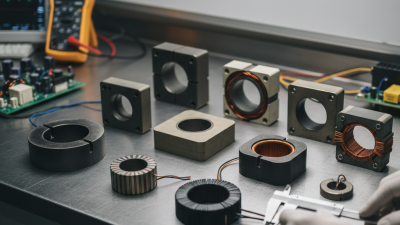
The effectiveness of common mode chokes in Chinese electronics can be attributed to their design and material choices. They are often built with high-quality ferrite cores, ensuring optimal induction properties. This helps in filtering out unwanted noise, enhancing the overall efficiency of devices. China’s strong manufacturing base ensures that these components are available at competitive prices.
However, not all common mode chokes are created equal. Variability in quality can affect performance. Some manufacturers may use lower-grade materials, leading to subpar results. This inconsistency raises concerns over reliability in critical applications. It’s crucial to consider these factors when selecting common mode chokes for specific uses. Understanding the nuances and limitations can guide better engineering decisions.
Understanding the Benefits of Common Mode Chokes for Noise Reduction
Common mode chokes are essential components in modern electronic devices. They help reduce electromagnetic interference (EMI) and enhance performance. Understanding their role is critical for anyone working with electronics. These chokes filter unwanted noise by allowing differential signals to pass while blocking common modes of interference. This dual action is vital in ensuring signal integrity.
In practical applications, common mode chokes can be found in power supplies, telecommunications, and audio equipment. They improve device reliability and sound quality. As industries push for more efficient technology, noise reduction becomes more pressing. Using these components properly can lead to significant improvements in functionality.
However, not every implementation is flawless. Misapplication can result in inadequate noise suppression or signal distortion. Designers must pay attention to specific requirements and test thoroughly. This consideration can often uncover hidden issues and lead to better overall designs. Embracing the benefits of common mode chokes requires careful evaluation and dedication to quality.
Key Industries Utilizing Common Mode Chokes in China
Common mode chokes play an essential role in several industries in China, particularly in electronics and telecommunications. These components significantly reduce electromagnetic interference (EMI), which is crucial for maintaining the performance of sensitive equipment. According to a report by MarketsandMarkets, the global EMI shielding market is projected to reach $8 billion by 2025. This growth is partly driven by the increased use of common mode chokes in industrial applications.
In the automotive sector, common mode chokes are utilized to protect electronic control units (ECUs) from noise. As electric vehicles (EVs) and hybrid cars become more mainstream, the demand for reliable EMI protection rises. In fact, the China Association of Automotive Engineers reported that around 1.2 million EVs were sold in 2022 alone, highlighting the growing need for effective noise suppression methods.
Furthermore, the consumer electronics market leverages these components to enhance product reliability. Devices require robust noise filtering to function correctly. A survey from Technavio indicates that the consumer electronics sector in China is expected to grow by over 6% annually through 2025. This increase underscores the importance of resilient components like common mode chokes. However, there are challenges. Not all manufacturers can ensure high quality and efficiency. Addressing these issues is crucial for optimizing product lifespan and performance.
China Best Common Mode Choke Applications and Benefits Explained
| Application Area |
Industry |
Benefits |
| Consumer Electronics |
Electronics |
Reduces electromagnetic interference, enhances circuit stability. |
| Telecommunications |
Telecom |
Improves data transmission quality, ensures signal integrity. |
| Automotive Applications |
Automotive |
Prevents noise in electrical systems, enhances safety features. |
| Industrial Machinery |
Manufacturing |
Enhances equipment reliability, reduces downtime due to noise issues. |
| Medical Devices |
Healthcare |
Ensures accurate readings, minimizes interference with sensitive equipment. |
| Renewable Energy |
Energy |
Stabilizes power output, ensures efficient operation of solar inverters. |
How Common Mode Chokes Enhance Signal Integrity and Performance
Common mode chokes play a vital role in enhancing signal integrity and overall performance in electronic circuits. They are widely used in various applications, from power supplies to telecommunications. By suppressing common mode noise, these components ensure that only the intended differential signals pass through. This significantly reduces the risk of interference, improving the clarity and reliability of the transmitted data.
In practice, common mode chokes can be found in designs where electromagnetic compatibility is critical. For example, they help filter out unwanted noise in data cables, leading to a more stable signal. However, not all applications require a choke. Sometimes, their use can lead to unwanted attenuation of desired signals. Understanding the specific needs of your circuit is crucial.
Additionally, the effectiveness of a common mode choke can depend on its design and placement. Poorly designed chokes might not provide sufficient suppression, leading to subpar performance. Engineers often need to analyze trade-offs carefully. Choosing the wrong choke can complicate signal integrity. Achieving optimal performance requires a balance between component selection and application requirements.
Future Trends and Innovations in Common Mode Choke Technology in China
In recent years, common mode choke technology has seen significant advancements in China. One notable trend is the integration of smart materials, which enhance performance and efficiency. These materials respond dynamically to changing electrical conditions, improving the choke's overall functionality. This innovation offers better protection against electromagnetic interference, which is critical in today's high-frequency applications.
Another emerging trend is the miniaturization of common mode chokes. Manufacturers are focusing on creating smaller designs without compromising quality. This trend addresses the increasing demand for compact electronic devices in various industries. However, achieving this balance presents challenges, such as heat dissipation and voltage rating management. Engineers continuously seek solutions to optimize performance while adhering to safety standards.
Lastly, the rise of renewable energy sources drives demand for advanced common mode chokes. As solar panels and wind turbines become more prevalent, the need for efficient filtering solutions increases. This creates opportunities for innovation but also requires continuous evaluation of existing technologies. Adapting old designs to meet new standards is a complex process that industry experts must navigate carefully.