How to Choose the Right Current Sensor for Your Application?
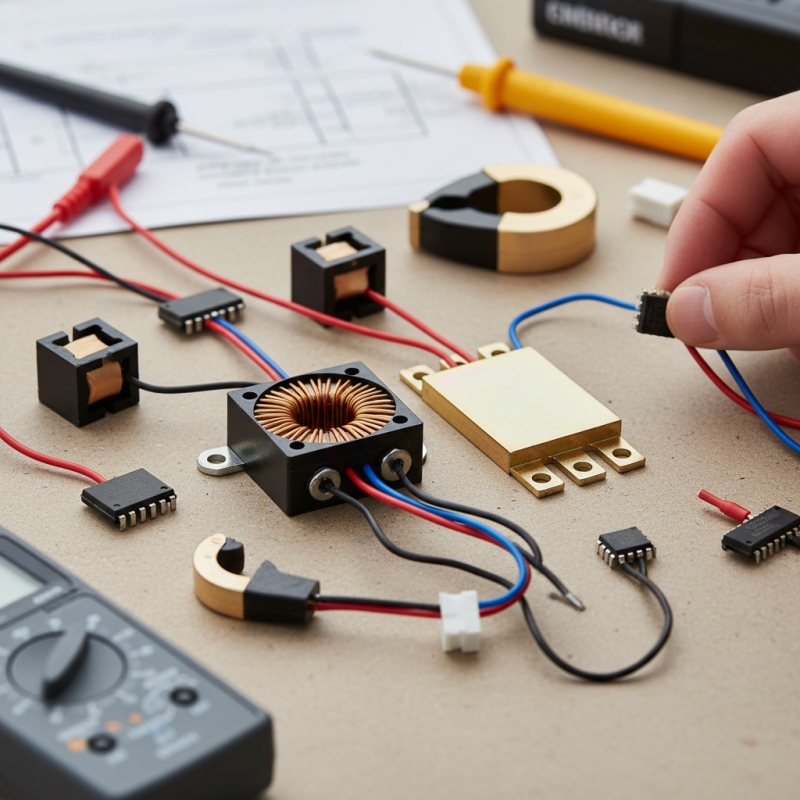
Selecting the right current sensor can greatly influence the success of your project. Current sensors measure electrical current flow, offering crucial data for performance monitoring. With various types available, making the best choice can be challenging.
Consider factors like accuracy, range, and application. Choose a sensor that fits your specific requirements. For example, hall-effect sensors excel in non-invasive measurements, while shunt resistors provide high precision. Understanding these options will enhance your decision-making.
Keep in mind that no single sensor is perfect for every application. Testing and evaluation are essential steps. The right sensor will not only improve efficiency but also ensure reliable performance in your system. Reflect on your needs; sometimes, the best choice involves compromises.
Understanding Current Sensors: Types and Applications
Current sensors play a crucial role in various applications. They help measure the flow of electric current in circuits. Understanding the types of current sensors is key to selecting the right one.
There are two main categories of current sensors: shunt and non-intrusive sensors. Shunt sensors work by measuring voltage drop across a known resistor. They offer high accuracy but can introduce power loss. Non-intrusive sensors, such as hall-effect sensors, clamp around the conductor. They are easy to install and prevent circuit interruption.
When choosing a current sensor, consider factors like measurement range and accuracy. Think about application-specific requirements. For example, industrial automation may need robust options, while portable devices require compact designs. Reflecting on these points can guide your decision-making process. Seeking expert advice can provide additional clarity and confidence.
Key Specifications to Consider When Selecting a Current Sensor
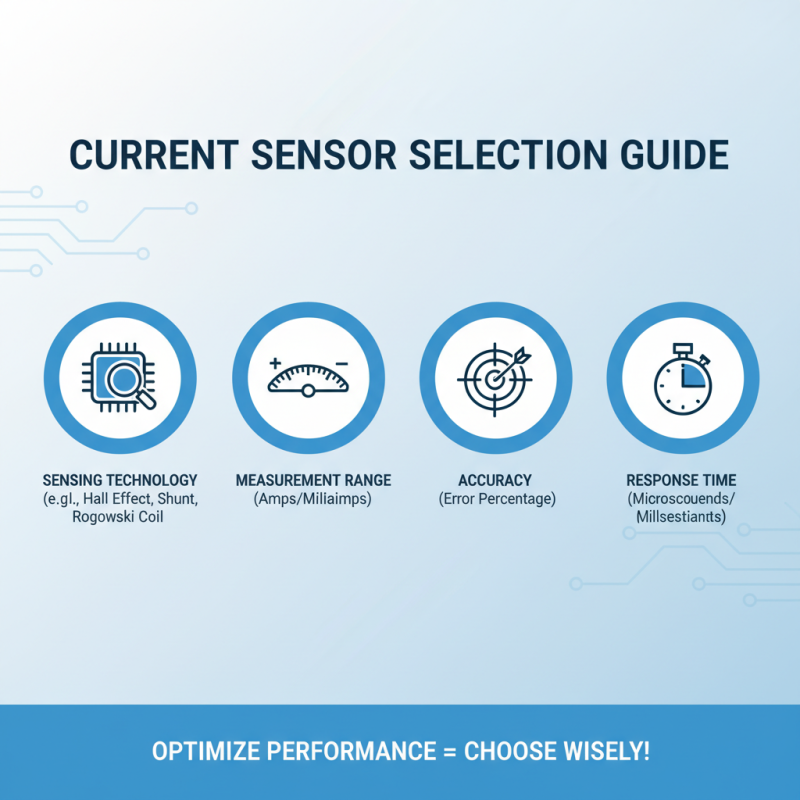
Choosing the right current sensor is critical for accurate measurements in various applications. When selecting a current sensor, key specifications play a vital role. Key factors include sensing technology, measurement range, accuracy, and response time. Each specification can significantly affect performance.
The sensing technology—whether Hall effect, shunt resistor, or current transformer—should align with your application's requirements. For example, Hall effect sensors are often preferred for high current measurements due to their non-intrusive nature. A report by the International Electrotechnical Commission indicates that Hall effect sensors dominate the market, with a share of over 35% in industrial applications.
Accuracy is paramount as well. Look for sensors with a low total harmonic distortion (THD). A report from Electronics Weekly states that a sensor's accuracy can drop significantly with rising frequencies. Choose sensors with high linearity to minimize measurement errors.
Tips: Always consider the installation environment. Temperature variations can impact performance. Ensuring proper thermal management can enhance sensor reliability. Evaluate the expected load conditions. Overriding the sensor’s rated capacity can lead to inaccurate readings or even damage.
Finally, regularly assess your sensor's performance. A sensor that is reliable today might not meet future demands. Frequent recalibration or replacement might become necessary. Monitor sensor output trends for any deviations. This practice promotes long-term sustainability and efficiency in your applications.
Evaluating Current Sensor Accuracy and Measurement Range
When selecting a current sensor, accuracy and measurement range are critical. A sensor’s accuracy determines how closely the readings reflect the actual current flowing through a circuit. Different applications require different levels of accuracy. In industrial settings, even minor inaccuracies can lead to significant consequences. Therefore, it's essential to assess the specifications carefully.
Measurement range refers to the limits within which a sensor can accurately provide readings. You need to match this range to your application. For instance, if you are working with very low currents, a sensor suited for high current ranges may not provide reliable data. It’s crucial to understand the current levels your project will face.
Tip: Always review the sensor’s data sheet before making a choice. Knowing the maximum and minimum current levels can help ensure proper functionality.
Consider testing multiple sensors in real-life scenarios. This way, you can compare performance and gauge their suitability. Sometimes, a sensor may perform well in theory but not in practice. Being adaptable is important when selecting a sensor that meets your requirements.
Current Sensor Accuracy and Measurement Range
Comparing Analog and Digital Current Sensor Technologies
When selecting a current sensor, understanding the technology behind analog and digital sensors is crucial. Analog current sensors provide continuous output. They show real-time current flow, which is beneficial for monitoring applications. However, they can be susceptible to noise. This can lead to inaccuracies if not calibrated properly. Their simplicity often means fewer components are required, making them attractive for straightforward tasks.
On the other hand, digital current sensors convert current measurements into digital signals. This allows for advanced processing and easier integration with microcontrollers. They often come with built-in filtering, which enhances accuracy.
However, digital sensors may require more power. They might not be suitable for all applications. Cost can also be a factor. Each option has its benefits and drawbacks. The choice between analog and digital sensors depends on specific application requirements, available power supply, and desired accuracy. Understanding these differences helps users make informed decisions.
Integration and Compatibility with Existing Systems
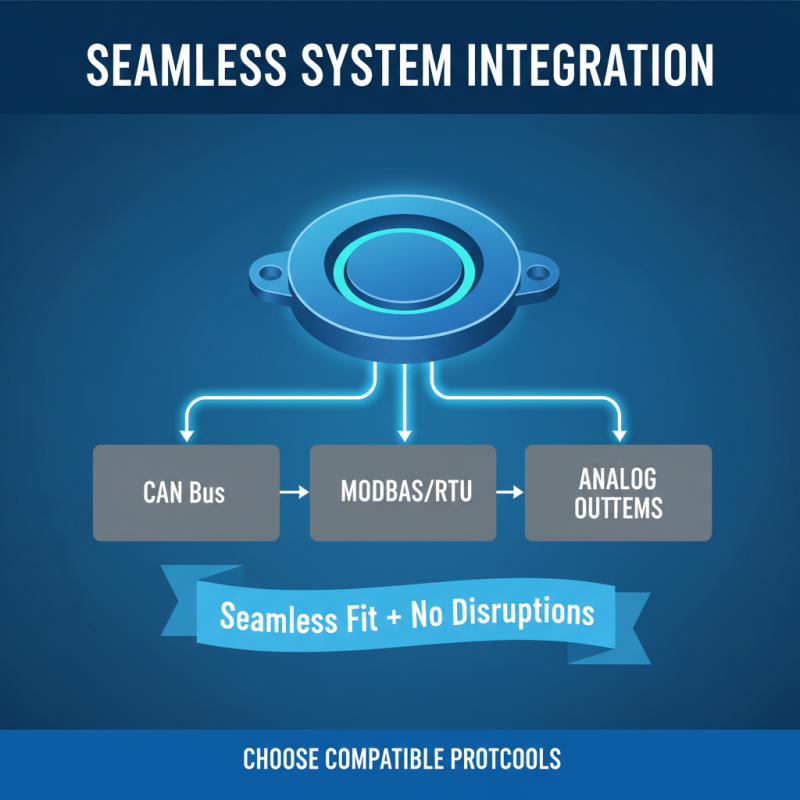
Integration and compatibility are crucial when selecting a current sensor. The sensor must seamlessly fit into existing systems. This prevents unnecessary disruptions during installation. Consider the communication protocols that your current system employs. For instance, if your setup relies on CAN, Modbus, or analog outputs, choose a sensor that supports these protocols.
Another vital aspect is the physical dimensions of the current sensor. Many systems have space limitations. Selecting an oversized sensor can lead to complications. It’s essential to measure the installation space carefully. Consider wire routing and accessibility for maintenance, as these factors can affect overall system performance.
You might overlook technical specifications like accuracy and response time. Small errors can lead to serious issues in real-time applications. Delving into these details often reveals incompatibilities that may not be evident initially. Reflect on the long-term implications of your choice. Focusing solely on immediate needs can lead to future challenges, emphasizing the importance of a well-thought-out integration strategy.