How to Choose the Right Distribution Transformer for Your Needs?
Choosing the right distribution transformer is crucial for ensuring effective power distribution in any electrical system. Industry expert John Smith, a leading engineer with over 20 years of experience, emphasizes, "Selecting the appropriate distribution transformer can significantly impact efficiency and reliability." His insights highlight the importance of careful consideration.
When faced with various types and specifications of distribution transformers, decision-making can become overwhelming. Factors such as load requirements, efficiency ratings, and installation environment must align with your specific needs. A mismatch can lead to energy losses and costly downtimes. Each application demands a unique solution, which makes expert advice essential.
Moreover, understanding the intricate details of distribution transformers can seem daunting. Look beyond generic features. Think about how each component functions in real-world situations. Your choice should be informed by data and practical assessments. Reflecting on your unique energy demands can lead to a more informed and beneficial choice.
Understanding the Basics of Distribution Transformers
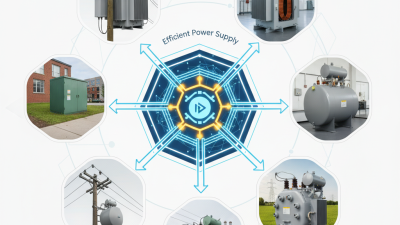
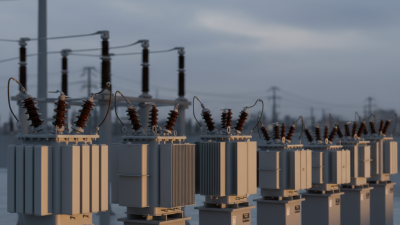
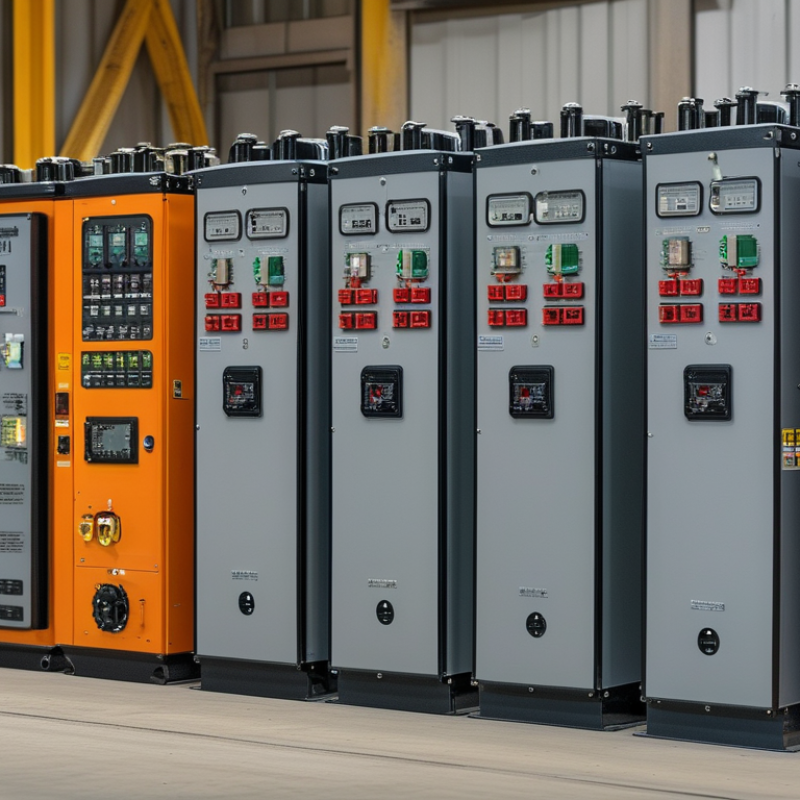
When selecting a distribution transformer, understanding the basics is crucial. Distribution transformers are vital in the electrical supply chain. They step down high voltage electricity from the distribution network to a lower voltage suitable for end-users. This transformation is key for safety and efficiency.
The design of a transformer involves various parameters, including capacity, voltage, and phase configuration. It's important to consider load requirements. Will your needs change in the future? Not all transformers are equal, and miscalculating these requirements can lead to inefficiencies. Oversizing a transformer increases costs and underutilizes resources. Conversely, undersizing can cause overheating or system failures.
Maintenance of distribution transformers cannot be overlooked. Routine checks on insulation and connections are essential for longevity. However, some users neglect regular maintenance, leading to unforeseen breakdowns. Understanding these aspects helps ensure long-lasting performance and reliability. Proper selection and management create a stable energy distribution network. Reflect on your specific needs, and consult with professionals to make informed decisions.
Identifying Your Power Requirements and Specifications
When selecting a distribution transformer, understanding your power requirements is crucial.
Begin by calculating your total load. This includes all devices and machinery that will be connected. It’s essential to know both the voltage and current ratings of your equipment. Often, people overlook these basics, leading to under- or over-sizing transformers.
One common error is disregarding future expansions. If your business grows, your power needs may increase. Choose a transformer that accommodates these potential changes.
Failure to anticipate growth can result in additional costs later. Though it may seem wise to select the smallest option, this can cause overheating and inefficiency.
Consider the environment where the transformer will be installed. Outdoor units require weatherproofing. Indoor units must adhere to specific safety regulations. It's vital to account for these factors when specifying your needs.
Evaluate available space as well. A large unit may be ideal but would it fit? Sometimes, people forget about layout.
Ensure that access is available for maintenance. This can save time and money in the long run.
Evaluating Efficiency and Loss Ratings of Transformers
When selecting a distribution transformer, understanding efficiency and loss ratings is crucial. The efficiency of a transformer reflects how effectively it converts input power into output power. Higher efficiency usually means lower operational costs. Look for transformers that operate above 95% efficiency. However, be cautious; efficiency ratings can vary based on load conditions.
Loss ratings are equally important. Transformers experience two primary types of losses: no-load and load losses. No-load losses occur even when the transformer is not supplying power. These losses are steady and linked to the core material and design. Load losses happen when the transformer is active. They increase with higher load levels, impacting overall efficiency.
When evaluating a transformer, reflect on its purpose. Different applications demand different loss tolerances. Prioritize energy-efficient designs but consider the initial investment versus long-term savings. Choose a transformer that aligns with your specific needs.
For smarter choices, assess energy consumption trends in your application. Sometimes, investing in a better-rated transformer pays off more than sticking with a basic model. Also, consult with professionals to ensure your decision matches industry standards and best practices. Such considerations can lead to better overall performance and reliability in your electrical system.
Considering Installation Space and Environmental Factors
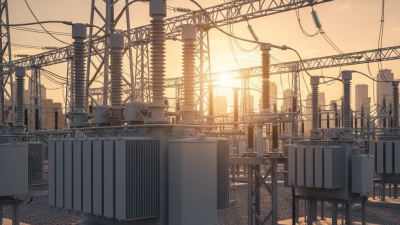
When selecting a distribution transformer, installation space and environmental factors are critical. One key point to consider is the transformer’s footprint. A study by the International Energy Agency indicated that transformer dimensions can affect overall installation efficiency. Smaller transformers can be easier to fit into confined spaces, yet may compromise power capacity. Buyers should assess their site constraints.
Environmental conditions also play a significant role. Humidity, temperature, and potential exposure to corrosive elements can impact transformer lifespan. For instance, transformers in coastal areas may require additional protective coatings. A report from the IEEE shows that transformers operate best within a specific temperature range, often between -25°C to 40°C. Operating outside this range may lead to overheating, reducing efficiency and causing unexpected failures.
Furthermore, future expansion needs should be considered. Many companies must adapt to changing power demands. Ensuring that the chosen transformer can accommodate increased loads without requiring frequent replacement is vital. This adjustment can lead to higher long-term costs and operational disruptions. It's essential to weigh current and future needs against the space available, as this choice significantly affects performance and reliability over time.
Distribution Transformer Selection Criteria
Selecting the Right Features and Accessories for Your Transformer
When choosing a distribution transformer, selecting the right features and accessories is crucial. Consider factors such as load requirements, efficiency ratings, and environmental conditions. These elements directly impact performance and longevity. Transformer features like cooling systems, insulation types, and voltage ratings should match your operational needs. Improper selection can lead to inefficiencies and increased costs.
Ensure that you evaluate the accessories that complement your transformer. Protective devices, metering equipment, and monitoring systems enhance functionality. For instance, a proper surge protector can safeguard your investment against voltage spikes. Think about future scalability as well. Will your initial setup accommodate growth?
Keep in mind the maintenance and accessibility of these features. Some might require more frequent checks or special tools. This can be a drawback in the long term. Reflect on your current infrastructure and the expertise available for maintenance. Engage with professionals who can provide insights tailored to your specific needs. It's essential to avoid oversights that could affect reliability and performance.
How to Choose the Right Distribution Transformer for Your Needs?
| Feature |
Description |
Importance |
Typical Values |
| Power Rating |
The maximum electrical load the transformer can handle. |
Critical for ensuring the transformer meets load demands. |
10 kVA to 5000 kVA |
| Voltage Levels |
Input and output voltage specifications for operation. |
Essential for compatibility with the electrical system. |
480V to 34.5kV |
| Cooling Method |
How the transformer dissipates heat. |
Critical for efficiency and longevity of the unit. |
Oil-Immersed, Dry-Type |
| Impedance |
Resistance to short-circuit currents. |
Important for system stability and protection. |
3% to 10% |
| Protection Features |
Additional safety features to prevent damage. |
Enhances reliability and safety of operation. |
Fuses, Circuit Breakers |