What is Current Transformer Core and How to Choose It?
The Current Transformer Core is a vital component in electrical systems. It plays a key role in accurately measuring current and protecting equipment from overloads. Understanding its function and selection criteria is essential for engineers and technicians.
Choosing the right Current Transformer Core can be challenging. Many factors influence the decision, including material, dimensions, and intended application. Each choice impacts performance and reliability. Therefore, taking time to analyze various options is crucial.
Inaccurate selections can lead to significant issues. For instance, insufficient core material may result in heat generation. Conversely, excessive size may cause unnecessary costs. Exploring these considerations ensures that your Current Transformer Core will perform optimally. The goal is to achieve efficiency and safety in every electrical system.
What is a Current Transformer Core?
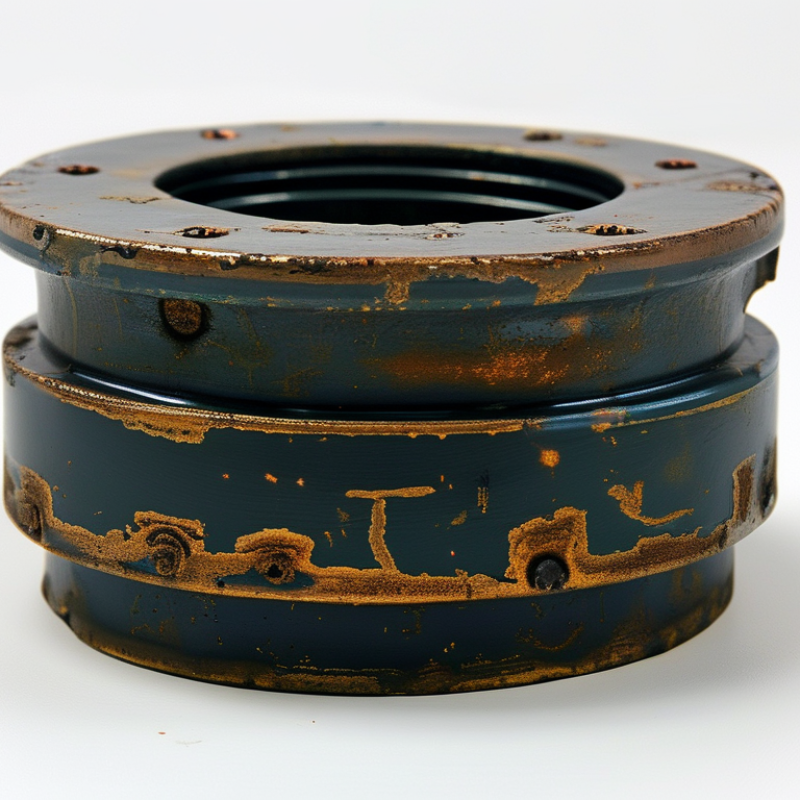
A current transformer core is essential in electrical measurement. It provides an accurate representation of primary current levels. Made from materials like silicon steel, its design greatly influences efficiency. Depending on the application, the core's shape and size can vary significantly. This variation leads to different magnetic characteristics, impacting performance.
Many industrial applications require precision. According to a report from the International Electrotechnical Commission, transformer accuracy can fluctuate by over 5% based on core quality. Selecting the right core is critical.
For instance, a poorly chosen core may lead to overheating or inaccurate readings. These issues not only reduce lifespan but can also cause costly downtime.
End users must pay attention to their specific requirements. Factors like frequency response and magnetic saturation should be considered. Some might overlook these details, thinking they are unimportant. However, minor differences can lead to major inefficiencies.
Engineers often face the challenge of balancing cost and performance. This complexity makes choosing the correct current transformer core a significant task.
Different Types of Current Transformer Cores
Current transformer cores come in various types, each suited for specific applications. The most common types are iron core, air core, and toroidal core transformers. Iron core transformers provide excellent performance due to their high permeability and low losses. They are widely used in energy measurement and protection systems. However, they can saturate under high loads, which affects accuracy.
Air core transformers, on the other hand, avoid saturation but have lower inductance. They are often suitable for applications requiring high-frequency responses. Although they offer better linearity, their size can be a drawback in compact designs. Toroidal cores offer a unique design, wrapping wire around a donut-shaped core. This reduces electromagnetic interference and enhances efficiency. Yet, they may require more careful handling during installation, making them less user-friendly.
When choosing a core, it’s essential to consider factors like load current, frequency, and environmental conditions. Each core type has its own strengths and weaknesses, and it often comes down to the specific needs of a project. An informed decision will lead to better performance and reliability in electrical systems. Always reflect on how the choice affects overall design and functionality.
Key Specifications to Consider When Choosing a Core
When selecting a current transformer core, it’s essential to consider several key specifications. The core material impacts the efficiency and performance of the transformer. Common materials include ferrite and silicon steel. Each has its advantages and limitations, depending on your application. Understanding the frequency range your project operates within is also crucial, as different cores excel at various frequencies.
The size and shape of the core influence the current transformer’s ability to handle specific loads. A larger core may be necessary for higher currents. Pay attention to the saturation flux density, which should match your circuit requirements. This parameter determines how much current the core can handle without losing accuracy.
Another important aspect is the core’s temperature rating. Some applications require cores that can withstand higher temperatures without compromising performance. The thickness of the insulating layer matters too. Insulation prevents short circuits and enhances safety. Reflect on how each of these specifications aligns with your project’s demands. It is always a good idea to revisit your choices and consider if they meet your current and future needs.
Current Transformer Core Specifications
This bar chart illustrates key specifications to consider when selecting a current transformer core, including material type, magnetic flux density, temperature rating, saturation flux density, and frequency range. Understanding these specifications will aid in making informed decisions when choosing a core for optimal performance.
Factors Influencing the Performance of Current Transformer Cores
When selecting a current transformer core, several factors influence performance. The core material is crucial. Common materials include silicon steel and ferrite. Each type has unique magnetic properties. These properties directly affect efficiency and accuracy.
Operational frequency impacts core performance. A higher frequency can lead to increased losses. This means that selecting a core for specific applications is vital. Understand the application's requirements thoroughly before making a decision.
Tips: Consider the temperature range when choosing a core. Some materials perform poorly in extreme conditions. Always evaluate installation space and design. A compact core can enhance system performance.
Another factor is the core geometry. Different shapes can affect inductance and magnetic efficiency. Experimentation may be needed to determine the ideal design. It's essential to balance performance and size effectively. This needs careful thought, as a perfect solution may not exist.
What is Current Transformer Core and How to Choose It? - Factors Influencing the Performance of Current Transformer Cores
| Core Material |
Permeability |
Temperature Rating (°C) |
Frequency Response (Hz) |
Mechanical Strength |
| Silicon Steel |
2000 - 3000 |
120 |
50 - 60 |
High |
| PVC Coated Core |
1000 - 1500 |
100 |
50 - 60 |
Medium |
| Amorphous Steel |
4000 - 5000 |
150 |
50 - 400 |
High |
| Ferrite Core |
1000 - 2000 |
85 |
100 - 1000 |
Medium |
| Air Core |
1 |
No Limit |
DC - 1000 |
Low |
Best Practices for Selecting the Right Current Transformer Core
When selecting a current transformer core, several factors come into play. Understanding the core's material and its magnetic properties is crucial. Ferrite and silicon steel are common materials, each offering unique benefits. Ferrite cores are perfect for high-frequency applications, while silicon steel handles lower frequencies better.
Tips: Always consider the intended application. If your system operates at high temperatures, choose a core that can withstand such conditions. The core will undergo thermal cycles, and material performance can degrade.
Another critical aspect is the size and shape of the core. The dimensions affect the transformer's performance. A larger core can handle more current but may not fit easily in tight spaces. Ensuring compatibility with your design is essential.
Tips: Double-check your specifications against standard sizes. Custom solutions can be expensive and may lead to delays. Sometimes, opting for a slightly different core shape can yield better results without straying from your original design.
Incorporating these considerations when choosing a current transformer core can enhance system reliability and efficiency. It’s worth reflecting on each option to ensure the best choice for your needs.