What is Power Silicon and How Does it Impact Technology?
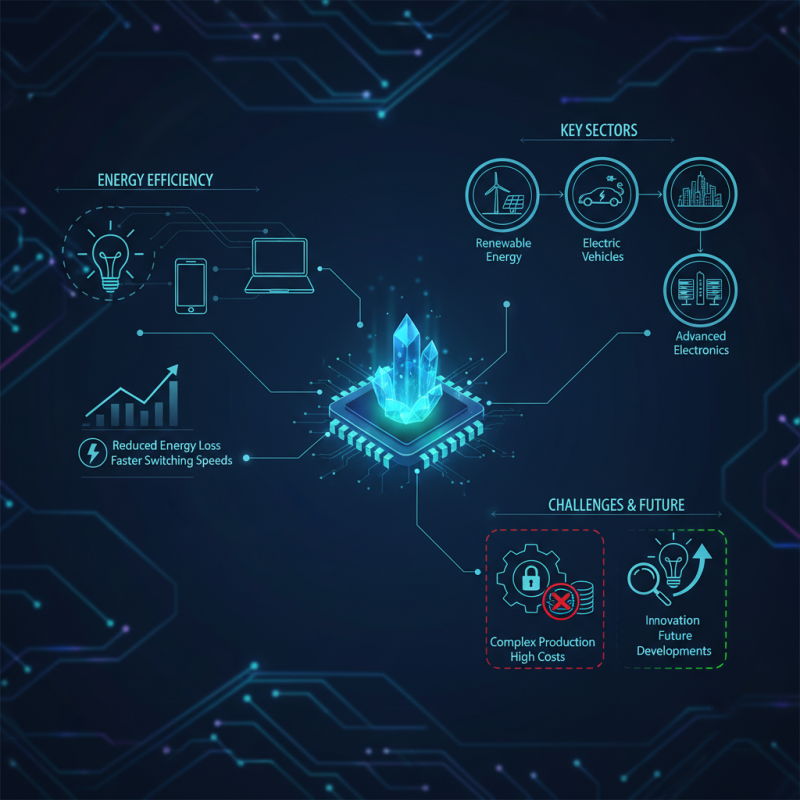
Power Silicon is a game changer in the tech industry. This material is key to enhancing energy efficiency in electronic devices. As technology advances, the demand for effective power solutions rises. Power Silicon plays a vital role here.
Power Silicon improves performance in power electronics. It enables faster switching speeds and reduces energy loss. With global energy concerns growing, the significance of Power Silicon cannot be overstated. Its impact spans various sectors, including renewable energy and electric vehicles.
Yet, challenges persist. The production process is complex, and costs can be high. This creates hurdles for widespread adoption. Future developments in this area may address these issues. Focusing on innovation is essential for maximizing the potential of Power Silicon.
What is Power Silicon? An Overview of Its Definition and Composition
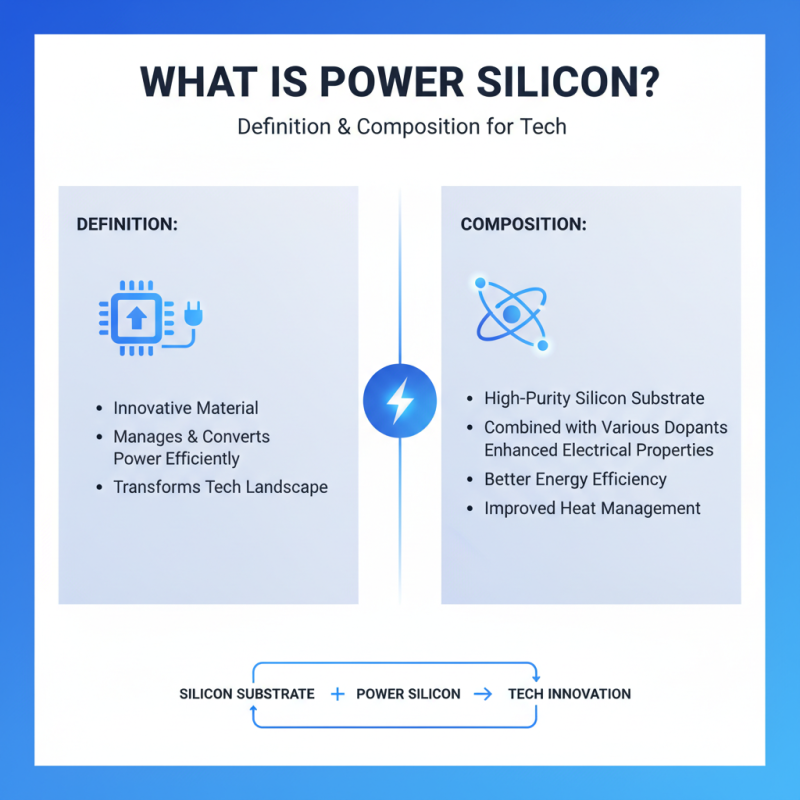
Power Silicon is an innovative material that is transforming the tech landscape. Essentially, it is silicon specifically designed to manage and convert power efficiently. This material is composed of a high-purity silicon substrate combined with various dopants. These elements enhance its electrical properties, allowing for better energy efficiency and heat management.
The composition of Power Silicon is crucial to its performance. It can withstand higher voltage and current levels, making it ideal for modern electronics. Integrated circuits and power devices made from this material are becoming increasingly popular. They contribute to achieving higher efficiency in power conversion. This is vital for renewable energy applications and electric vehicles. However, developing new formulations poses challenges. Balancing performance with cost is not straightforward. There are also concerns regarding the sustainability of sourcing key materials.
As the demand for higher efficiency continues to grow, Power Silicon will play a pivotal role. Its unique properties enable the miniaturization of technology while improving performance. Yet, the industry must navigate environmental concerns. Finding sustainable methods for production is essential. The evolution of Power Silicon reflects the ongoing quest for innovation in technology.
The Evolution of Power Silicon: From Design to Manufacturing Techniques
The evolution of power silicon has transformed technology significantly. Initially, silicon was a simple material used in basic electronics. Today, its role extends to advanced applications like renewable energy and electric vehicles. Engineers have refined design techniques, enhancing efficiency. Smaller, more effective components are now possible, pushing the boundaries of what's achievable.
In manufacturing, techniques have shifted towards precision and scalability. Processes like doping and etching have advanced. These methods allow for improved control of electrical characteristics. This precision contributes to the reliability of power devices in various environments. However, challenges remain. Production remains energy-intensive, raising concerns about sustainability.
Tips: Always consider the environmental impact of silicon manufacturing. Evaluate suppliers based on their sustainability practices. Staying informed can drive responsible decisions in technology. Collaboration between engineers and environmental scientists could further enhance eco-friendly practices in the industry.
What is Power Silicon and How Does it Impact Technology?
| Dimension |
Description |
Impact on Technology |
| Efficiency |
Power silicon enables improved energy efficiency in electronic devices. |
Supports longer battery life in portable devices and reduces energy consumption. |
| Heat Management |
Power silicon materials are designed to dissipate heat more effectively. |
Enables smaller form factors for devices due to reduced cooling requirements. |
| Integration |
Allows for the integration of power handling and switching capabilities in a single chip. |
Facilitates advanced functionalities and miniaturization of devices. |
| Cost Reduction |
Manufacturing advances lower the cost of power silicon components. |
Increases overall product affordability and accessibility. |
| Reliability |
Enhanced material quality leads to higher reliability of power devices. |
Reduces failure rates and extends the lifespan of electronic products. |
Key Applications of Power Silicon in Modern Technology and Electronics
Power silicon plays a crucial role in modern technology. It is essential for creating highly efficient power electronics. By improving energy conversion, power silicon enhances the performance of various devices. This technology is widely used in renewable energy systems. For example, solar inverters rely on power silicon to maximize energy harvest. It also boosts the efficiency of electric vehicles, enabling longer ranges.
Another significant application is in data centers. These facilities consume massive amounts of energy. Power silicon helps reduce energy loss during power conversion. As companies prioritize sustainability, this technology's role becomes even more critical. Furthermore, power silicon is vital in the consumer electronics sector. It enables faster charging for smartphones and laptops. Faster, efficient power management systems improve battery life.
However, there are challenges in power silicon development. The production process can be complex and costly. As technology advances, the need for innovation grows. Efforts to enhance reliability and efficiency continue to evolve. The future of power silicon holds promise, but it requires ongoing research. Finding the balance between performance and affordability is key.
Impact of Power Silicon on Technology
Impact of Power Silicon on Energy Efficiency and Sustainability Metrics
Power silicon is revolutionizing energy systems. It enables efficient energy conversion and management. This technology significantly improves sustainability metrics in various sectors. With power silicon, devices use less energy while increasing performance. This creates a positive cycle for both consumers and industries.
Industries are rapidly adopting power silicon to enhance energy efficiency. For example, electric vehicles benefit from improved battery life. Consequently, fewer resources are consumed over time. However, the manufacturing process of power silicon can be complex. This raises concerns about sourcing raw materials responsibly. Not all manufacturers prioritize sustainability in this area.
Despite advancements, challenges remain. The lifecycle impact of power silicon needs careful analysis. End-of-life disposal can pose problems if not managed properly. Continuous innovation is essential for mitigating these issues. Collaborative efforts among stakeholders can drive meaningful change. Striving for accountability in the supply chain is crucial. This will ensure that power silicon contributes to a greener future.
Future Trends in Power Silicon Development and Market Growth Projections
The future of power silicon lies in its innovative applications and rapid market growth. Power silicon technology is evolving, driven by the demand for energy efficiency. This transition impacts everything from computing to renewable energy solutions. As industries prioritize sustainable practices, advancements in power silicon are more critical than ever.
Studies indicate a significant rise in power silicon applications, particularly in electric vehicles (EVs) and renewable energy systems. Analysts project that the global market will expand exponentially in the next few years. Key factors include the increasing need for high-performance electronics and significant investments in smart grid solutions. Companies exploring power silicon should consider new partnerships and training programs to stay ahead.
Tips: Stay informed about emerging technologies in power silicon. Networking with industry professionals can provide valuable insights. Experimenting with new designs will help troubleshoot potential issues. Reflect on your projects to identify areas for improvement.