Best Current Transformer Core Types for Global Buyers?
Selecting the right current transformer core is crucial for optimal performance in electrical systems. A current transformer core plays a vital role in measuring and monitoring electrical currents. Numerous types are available, and understanding their features can guide global buyers in making informed decisions.
Many buyers face uncertainty when choosing a suitable core type. Options include ferrite, laminated silicon steel, and amorphous steel cores. Each type has unique properties that affect efficiency, cost, and application. It is essential to assess project requirements before making a purchase. What serves one application may not meet another's needs.
Exploring different current transformer core types can reveal strengths and weaknesses. Buyers should seek reliable suppliers with proven expertise in this field. Knowledge of specific applications can lead to enhanced system reliability and performance. An informed choice can minimize future challenges, but the complexity of options often invites confusion.
Overview of Current Transformer Cores
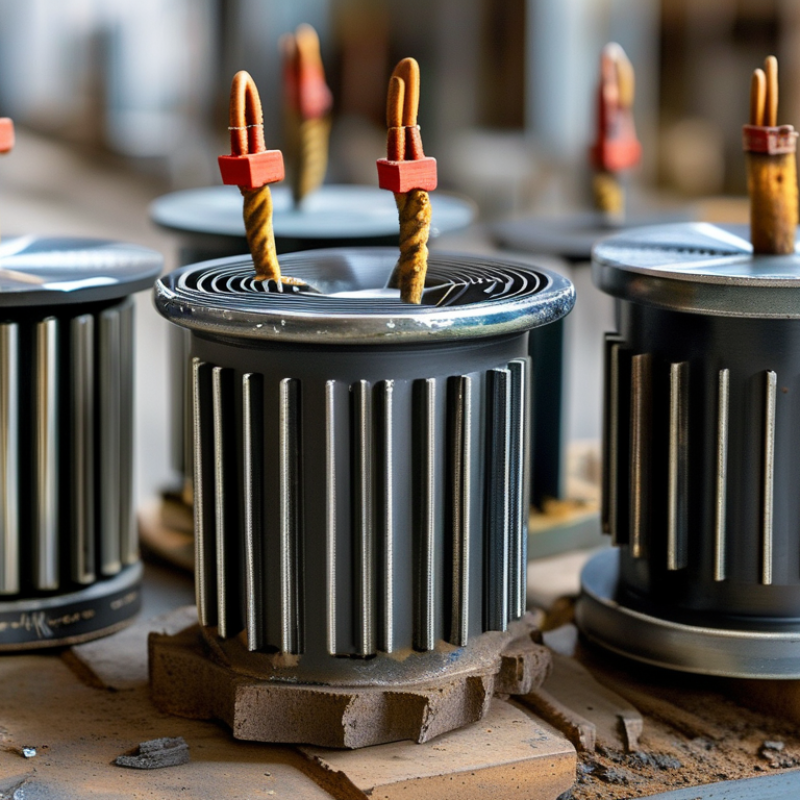
Current transformers (CTs) are essential in electrical engineering, providing accurate measurements of alternating current. The core material significantly impacts the overall performance. Common core types include iron and ferrite, each with unique properties. According to industry reports, the global current transformer market is projected to grow at a CAGR of 6.5% by 2025.
Iron cores are often favored for their high saturation levels. This allows for more significant currents without distortion. However, they may exhibit higher losses due to eddy currents at certain frequencies. Ferrite cores provide better performance at high frequencies due to lower losses and higher permeability. Data from recent studies reveal that ferrite-based CTs are increasingly preferred in applications involving renewable energy sources.
In practice, selecting the right core type requires weighing factors such as temperature range, cost, and efficiency. While iron cores are reliable for standard applications, they fall short in environments that demand high-frequency response. Ferrite cores excel in these situations, yet their material costs can hinder adoption. Industry experts recommend thorough analysis of application requirements to make informed decisions.
Key Specifications to Consider for Transformer Cores
When selecting transformer cores, key specifications are essential for global buyers. Core material plays a crucial role. Common materials include silicon steel and amorphous steel. Silicon steel is widely used due to its magnetic properties, but its high cost can be a disadvantage. Amorphous steel, while less common, offers lower energy losses. According to market reports, amorphous cores can reduce energy losses by up to 70%.
Another critical specification is the core shape. The three main types are toroidal, C-core, and E-core. Each shape has distinct advantages.
Toroidal cores are compact and efficient, but they can be challenging to manufacture. C-cores offer good efficiency but require more space. E-cores are more common in smaller applications but may have higher losses.
Transformer core dimensions also matter. Core size impacts both the magnetic performance and mechanical stability. Buyers must consider the load requirements and the operating frequency. Reports indicate that optimized core dimensions lead to improved performance and reduced energy consumption. However, finding the right balance can be challenging. Different applications may demand different specifications, leading to potential trade-offs between efficiency and physical constraints.
Comparison of Core Materials Used in Current Transformers
Current transformers (CTs) play a crucial role in measuring electrical currents. The choice of
core material significantly impacts performance. Various
core materials are available, each with advantages and drawbacks.
Silicon steel is widely used due to its excellent magnetic properties. It offers
good performance in a broad range of applications. However, it can be costly and less efficient
at very high frequencies.
Ferrite cores provide high impedance and good
frequency response. Yet, their temperature sensitivity can limit their effectiveness in high-current scenarios.
Amorphous steel has emerged as a viable alternative. This material boasts lower losses than
traditional silicon steel. Still, it can be challenging to manufacture. Understanding the
characteristics of these materials helps in selecting the right core for specific needs. Many buyers
may be tempted to choose based on price alone, overlooking essential performance factors. This can lead
to suboptimal outcomes. In any case, thorough research is crucial for
informed decision-making.
Global Market Trends for Current Transformer Cores
The global market for current transformer cores is witnessing notable trends. Increased demand for renewable energy sources is propelling innovation. According to a recent market report, the current transformer core market is expected to grow by 6.8% annually through 2025. This growth is primarily driven by the rising need for efficient energy management.
As industries move towards digitalization, there’s a surge in the use of smart grids. Smart grids require precise current measurements. They also demand high-quality transformer cores to ensure efficiency and reliability. Research indicates that silicon steel and ferrite materials are among the most preferred due to their excellent magnetic properties. The choice of core type can significantly impact performance and energy losses.
However, challenges persist in the market. Fluctuations in raw material prices can affect production costs. Additionally, advancements in materials introduce complexity for manufacturers. Balancing cost and quality remains a key concern. The core type selection process requires careful consideration. Not all cores will meet specific application needs, highlighting the importance of tailored solutions.
Future Innovations in Current Transformer Core Technology
Future innovations in current transformer core technology are shaping the landscape of energy management systems. According to a recent market research report, advancements in materials like nanocrystalline alloys are making cores lighter and more efficient. These materials can reduce losses by up to 50%, significantly enhancing performance for global buyers. New techniques, such as multi-layered core designs, are emerging too. They provide better insulation and heat dissipation, ensuring reliability in various applications.
Tips: Consider the advantages of newer materials when selecting a transformer core. They could offer long-term savings and improved functionality.
The demand for increased accuracy in energy measurement is driving innovations as well.
Precision in current sensing is crucial for smart grids. This need has spurred development in digital core technologies, which promise advanced signal processing capabilities. Reports indicate that digital transformers could deliver up to
30% higher performance compared to traditional models. However, challenges remain; integrating these technologies into existing infrastructures can be complex and costly.
Tips: Evaluate the compatibility of new technologies with your current systems before investing.
A proper assessment can save time and resources.