Why Are Magnetic Sensors Essential in Modern Technology?
Magnetic sensors play a critical role in contemporary technology. According to Dr. Alice Johnson, a leading expert in the field, "Magnetic sensors are the backbone of many advanced systems." These sensors help detect changes in magnetic fields, enabling applications in various industries.
From smartphones to automotive systems, the impact of magnetic sensors is profound. They ensure efficient operation in navigation, data storage, and even medical devices. Every day, we rely on these devices without realizing their importance. Their ability to function in extreme conditions also adds to their versatility.
However, challenges remain. The rapid advancement of technology requires sensors to evolve constantly. There is a need for improved accuracy and reduced size, which can be complex. As we navigate this landscape, embracing innovation in magnetic sensors is essential for progress.
Types of Magnetic Sensors and Their Working Principles
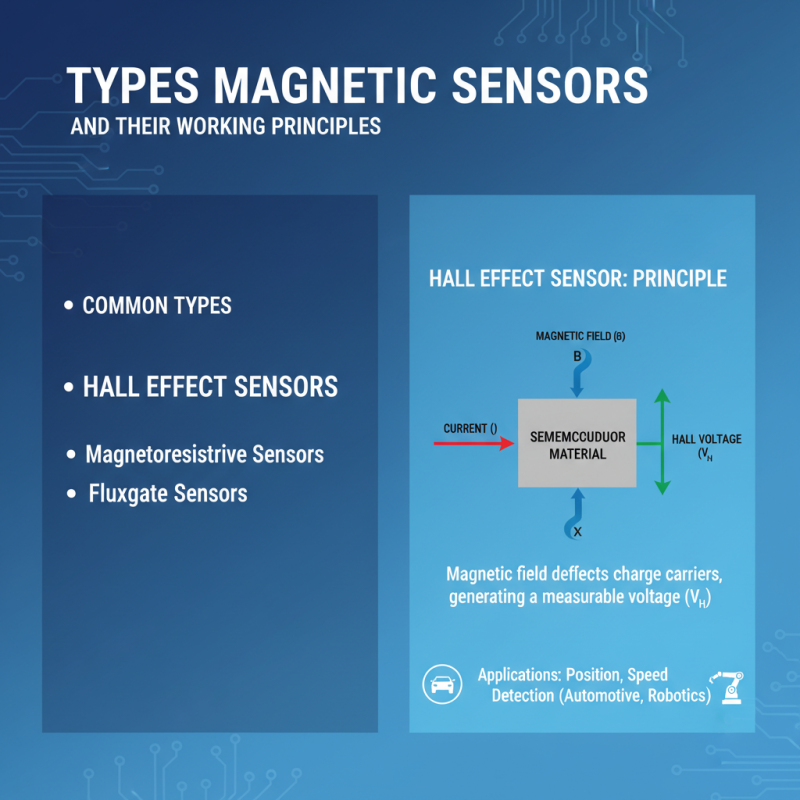
Magnetic sensors play a crucial role in modern technology, enabling a wide range of applications. Various types of magnetic sensors exist, each harnessing unique principles to detect magnetic fields. Hall effect sensors are among the most common. They function by measuring the voltage generated when a magnetic field interacts with an electric current. This principle allows for precise position and speed detection in robotics and automotive applications.
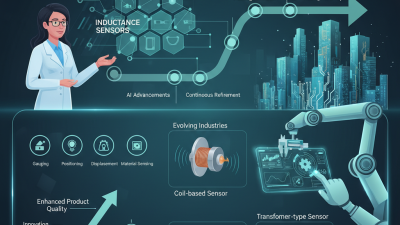
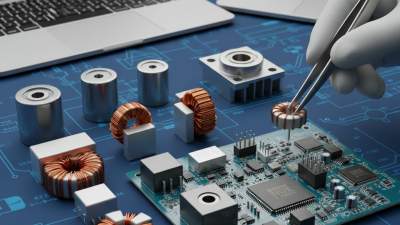
Another type is the magnetoresistive sensor. These sensors change their electrical resistance in response to a magnetic field. This feature makes them ideal for data storage devices and automotive systems. Their sensitivity to small field changes enhances performance, making them popular in consumer electronics. Inductive sensors, on the other hand, work differently. They detect the presence of metallic objects by measuring changes in inductance, which is essential in automation processes.
While numerous technologies utilize these sensors, each has limitations. For instance, Hall effect sensors might struggle in weak magnetic fields. Magnetoresistive sensors can be affected by temperature changes, impacting accuracy. Understanding these nuances is vital. It can help engineers select the right sensor for specific applications. The ongoing research into improving these devices continues to evolve, pushing the boundaries of magnetic sensor technology.
Applications of Magnetic Sensors in Consumer Electronics
Magnetic sensors play a crucial role in consumer electronics today. They enable a variety of applications crucial for everyday devices. For instance, smartphones utilize magnetic sensors for screen orientation. These sensors make it possible to rotate displays seamlessly. Without them, user experience would suffer significantly.
Wearable technology has also experienced significant advancements, thanks to magnetic sensors. Devices like fitness trackers rely on these sensors to track movement accurately. A recent report from the Consumer Electronics Association highlights that the demand for wearable devices will grow by 15% annually. This growth is closely tied to innovations in magnetic sensing technology.
Tip: Consider the position of your device. Ensure that magnetic sensors remain unobstructed for optimal performance.
Smart home devices are yet another area benefiting from magnetic sensors. Sensors in security systems detect the opening of doors and windows. They enhance safety by alerting homeowners to intrusions. However, reliance on these sensors poses challenges, such as battery life and susceptibility to interference.
Tip: Regularly check the maintenance schedules of your devices. This step can address potential sensor issues early.
The integration of magnetic sensors continues to evolve, impacting consumer electronics significantly. The push for smaller, more efficient designs leads to better sensor technology. However, challenges in reliability persist. Balancing size and performance remains an ongoing quest.
Role of Magnetic Sensors in Automotive Technologies
Magnetic sensors play a pivotal role in automotive technologies, enhancing safety and efficiency in vehicles. According to a report by Research and Markets, the automotive magnetic sensor market is projected to reach $3.5 billion by 2025. These sensors are used in applications like wheel speed detection, position sensing, and even electric power steering systems. They provide precise measurements that are crucial for advanced driver assistance systems (ADAS).
In modern cars, magnetic sensors are vital for stability control and anti-lock braking systems. They detect the rotational speed of wheels, ensuring optimal braking performance. Moreover, they help in the functionality of electric motors in hybrid and electric vehicles, supporting power management and energy efficiency. As car manufacturers focus on electrification, the demand for reliable magnetic sensors is set to increase.
Tips: When choosing magnetic sensors, consider their accuracy and temperature range. Not all sensors perform well in extreme environments. Additionally, look for sensors that minimize electromagnetic interference to enhance reliability. Balancing performance with cost is essential for manufacturing competitive vehicles.
Why Are Magnetic Sensors Essential in Modern Technology?
Role of Magnetic Sensors in Automotive Technologies
| Application |
Sensor Type |
Functionality |
Key Benefits |
| Anti-lock Braking System (ABS) |
Hall Effect Sensors |
Detects wheel speed to prevent skidding |
Improved vehicle safety and control |
| Electric Power Steering |
Magnetoresistive Sensors |
Measures steering angle and provides feedback |
Enhanced responsiveness and fuel efficiency |
| Engine Position Monitoring |
Linear Hall Sensors |
Monitors position of crankshaft and camshaft |
Optimized engine performance and emissions control |
| Proximity Detection |
Contactless Magnetic Sensors |
Detects proximity of components for safety |
Increased reliability and maintenance reduction |
| Tire Pressure Monitoring System (TPMS) |
Magnetic Switch Sensors |
Monitors tire pressure and alerts for changes |
Improved fuel economy and tire lifespan |
Magnetic Sensors in Industrial Automation and Robotics
In modern industrial automation and robotics, magnetic sensors play a critical role. According to a report by MarketsandMarkets, the global magnetic sensor market is expected to reach $4.38 billion by 2025, growing at a CAGR of 6.9%. This growth highlights the increasing reliance on accurate sensor technologies in automated systems.
These sensors enable precise detection in various applications, such as position sensing and speed measurement. For instance, they help in controlling robotic arms in manufacturing, ensuring they operate efficiently and with minimal errors. Magnetic sensors can detect the position of components without direct contact, which reduces wear and prolongs the lifespan of machinery. This non-contact functionality is essential in applications where durability and precision are paramount.
Tips: When choosing magnetic sensors, consider their sensitivity and range. These factors can significantly influence their performance in harsh industrial environments. It's worth noting that while magnetic sensors are highly reliable, they can sometimes be affected by external magnetic interference. Testing in real-world conditions is crucial.
These technologies are not without challenges. Sensor calibration and setup can be complex, often requiring expert knowledge. Industrial applications should prioritize training to fully leverage these systems. Adequate understanding can help prevent costly errors during implementation and operation.
Importance of Magnetic Sensors in Industrial Automation
Future Trends and Innovations in Magnetic Sensor Technology
The evolution of magnetic sensor technology is remarkable. These sensors are increasingly critical in various fields, from healthcare to automotive. Innovations are driving their effectiveness, accuracy, and applications. This surge in capability allows for more detailed data collection and real-time monitoring.
Researchers are exploring new materials to enhance sensitivity. Emerging technologies like miniaturization make sensors smaller and more efficient. For instance, advancements in semiconductor technology have opened doors to integration with IoT devices. Devices can now collect data in environments previously deemed challenging. This trend shows promise in creating smart cities and improving industrial processes.
Despite these advancements, challenges remain. The reliability of sensors under extreme conditions is still a concern. Addressing noise interference is vital for achieving accurate readings. Continuous innovation is needed to overcome these obstacles. As technology advances, so too must our understanding of the challenges within magnetic sensor applications. This requires ongoing research and collaboration across multiple disciplines.