How to Choose the Right Current Transformer Core for Your Applications
Choosing the right Current Transformer Core is crucial for effective measurement and monitoring of electrical systems. The right core influences accuracy and performance in various applications. With a vast array of materials and designs available, understanding their unique properties is essential.
For instance, silicon steel cores excel in energy efficiency, while ferrite cores offer superior high-frequency performance. However, selecting a core involves more than just basic specifications. Potential users must consider environmental conditions and load types. Such factors can affect desired outcomes and lead to costly errors.
Experience shows that many underestimate the impact of thermal stability and saturation properties. These elements greatly dictate the core's effectiveness. Mistakes in this selection process can complicate system integration and lead to miscalculations. Therefore, awareness of these intricacies is key for reliable performance. This introduction sets the stage for a deeper exploration of Current Transformer Core options and their implications for diverse applications.
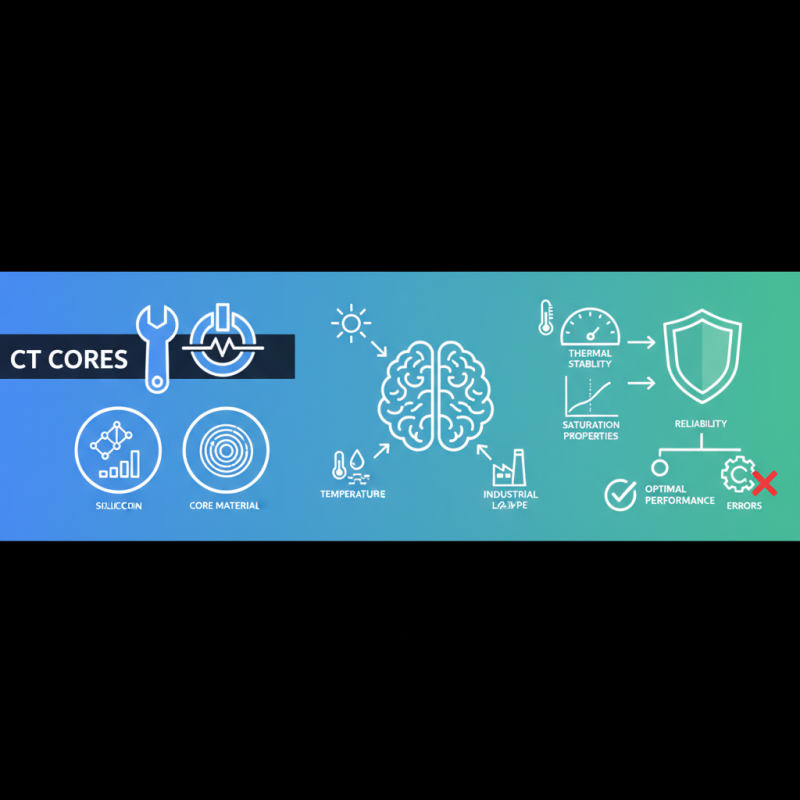
Understanding the Basics of Current Transformers and Their Cores
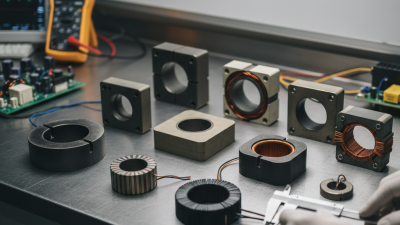
Current transformers (CTs) are essential for measuring and monitoring electrical currents in various applications. Understanding their cores is crucial for selecting the suitable type for your needs. The core material directly influences the accuracy, efficiency, and heat dissipation of the transformer. Typically, iron and ferrite cores are common choices, each with distinct properties.
Iron cores handle high currents well but can saturate under extreme conditions. Ferrite cores excel in frequency response, making them ideal for high-frequency applications.
Studies indicate that over 80% of current transformer failures are linked to core material selection and installation errors. A well-chosen core can minimize losses and improve system reliability. The core's shape also matters; toroidal cores provide lower electromagnetic interference (EMI). Their design enhances efficiency in both power transmission and measurement. Data from industry reports suggest that miscalculating core ratings can lead to performance issues.
It’s clear that choosing the right core isn’t merely a technical choice; it significantly impacts system operations.
The installation environment poses additional challenges. The surrounding temperature, humidity, and even mechanical stress can affect the core's performance. Mortar and cement can be detrimental if they come into contact with the core. Recognizing these factors and adapting to them can prevent costly missteps. Therefore, evaluating both core specifications and environmental conditions is vital for optimal performance in current transformer applications.
Identifying Key Applications for Current Transformers
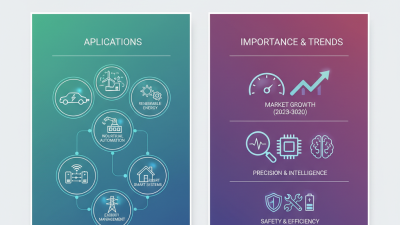
Current transformers (CTs) serve critical roles in various applications, from power monitoring to protection systems. Selecting the right core material for a CT involves understanding these applications thoroughly. For example, power generation facilities often use CTs to monitor energy usage accurately. According to the International Energy Agency, global electricity demand is expected to rise by 6% annually. This surge emphasizes the need for precise current measurement to optimize efficiency.
Industrial environments, like manufacturing plants, demand robust and reliable CTs. A report from the Electrical Apparatus Service Association shows that 65% of transformer failures stem from inadequate measurement devices. Therefore, using materials like silicon steel or ferrite can enhance the performance of CTs. Ferrite cores are particularly effective for high-frequency measurements, while silicon steel excels in lower frequency applications. Identifying these nuances in applications can significantly impact operational performance.
Residential applications also benefit from well-chosen CT cores. Smart meters, integral to energy-saving initiatives, rely on effective current sensing. The demand for home energy management systems is rising, with forecasts suggesting a growth rate of 23% by 2026. The core material selected can affect the accuracy and responsiveness of these devices. Regular evaluation of core technology is essential as market needs evolve.
How to Choose the Right Current Transformer Core for Your Applications - Identifying Key Applications for Current Transformers
| Application |
Core Material |
Turn Ratio |
Rated Current (A) |
Accuracy Class |
| Protection Relay |
Silicon Steel |
1000:5 |
3000 |
Class 5P |
| Energy Metering |
Ferrite |
400:5 |
100 |
Class 0.5 |
| Industrial Applications |
Amorphous Steel |
2500:5 |
2500 |
Class 1.0 |
| Transformer Monitoring |
Nanocrystalline |
100:5 |
500 |
Class 0.2 |
| Renewable Energy |
Silicon Steel |
500:5 |
1500 |
Class 0.5 |
Evaluating Different Core Materials and Their Properties
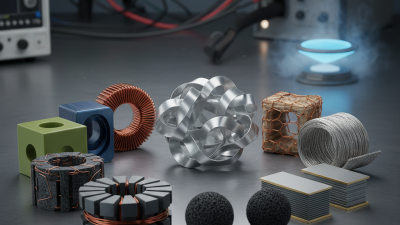
When selecting a current transformer core, evaluating core materials is crucial. The choice significantly impacts performance. Common materials include silicon steel and ferrite. Each has unique properties affecting energy loss, frequency response, and insulation.
Silicon steel offers high permeability but comes with considerable hysteresis loss. Reports indicate that silicon steel cores can achieve efficiencies up to 97% under certain conditions. However, this is often less in dynamic environments. Ferrite cores, on the other hand, are preferred for high-frequency applications. They exhibit lower losses at elevated frequencies, making them ideal for switching power supplies.
Understanding the application is essential. Using a material that performs well in one scenario may lead to inefficiency in another. For example, in low-frequency applications, ferrite typically underperforms compared to silicon steel. Users must analyze the specific requirements of their systems. Engaging in this thorough assessment helps prevent costly mistakes and enhances system reliability.
Balancing performance and cost while considering material limitations can lead to better decision-making in core selection.
Assessing the Impact of Core Shape and Size on Performance
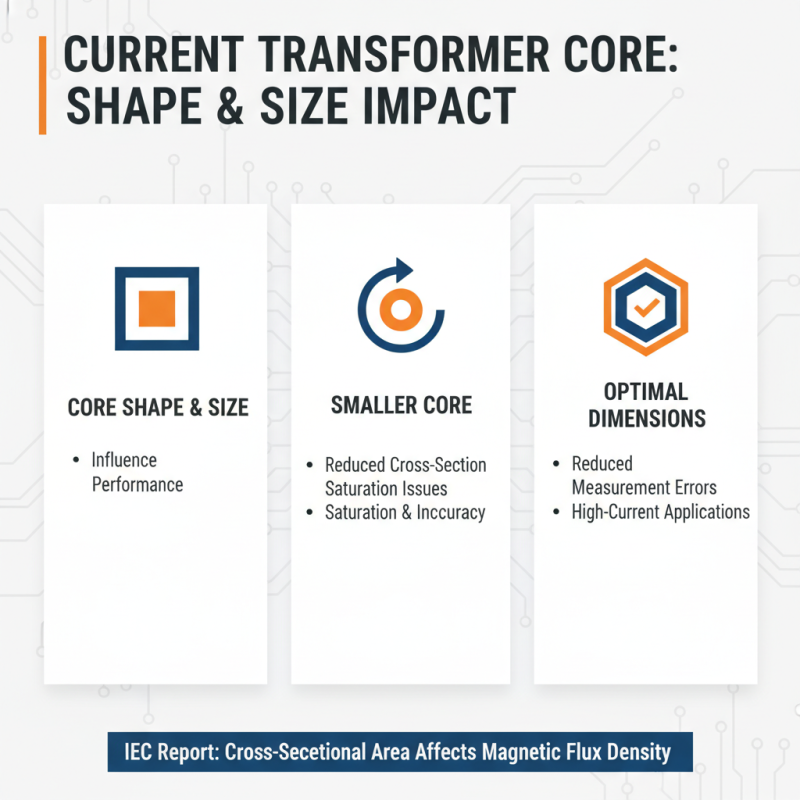
The shape and size of a current transformer core significantly affect its performance. A recent report from the International Electrotechnical Commission states that the core's cross-sectional area influences magnetic flux density. Smaller cores can lead to saturating issues, causing measurement inaccuracies. Optimal core dimensions are crucial for reducing errors, especially in high-current applications.
Round and rectangular cores each have unique benefits and drawbacks. Studies show that round cores may produce a more uniform magnetic field. However, they can be larger in size, making them less space-efficient. Rectangular cores take up less volume but might not manage magnetic leakage as effectively. The choice of geometry can also affect thermal performance, an essential factor in high-load environments.
Another consideration is core material. Ferrite cores generally perform better in high-frequency applications. However, they can be less effective at lower frequencies. A comprehensive analysis is needed to balance size, shape, and material. This process often presents challenges, such as cost versus performance. Engineers must apply rigorous testing to identify the ideal configuration for their specific needs.
Making Informed Choices Based on Environmental and Load Conditions
Choosing the right current transformer core starts with understanding environmental and load conditions. For instance, temperature variations can influence the performance of the core material. According to industry reports, core materials like silicon steel may lose efficiency above certain temperature thresholds. Therefore, considering the operational temperature range is essential.
Moreover, the nature of the load affects the selection process. A load with a high inrush current may require a core that can withstand short-duration spikes without saturation. Research indicates that a proper core selection can enhance accuracy by 30% in measuring currents under variable load conditions. Not all cores are created equal; some perform better under specific electrical loads while others do not.
Finally, environmental factors such as humidity and pollution levels can impact the longevity and reliability of the transformer core. Corrosion-resistant materials become essential in harsh settings, while locations with lower humidity can afford to use more conventional materials. Understanding these nuances can significantly enhance the effectiveness of the current transformer in your application.
Current Transformer Core Selection Based on Environmental Load Conditions