What is a Common Mode Choke and How Does It Work?
A Common Mode Choke is an essential component in electronic circuits. It plays a critical role in filtering out noise and improving signal integrity. This highly specialized device is designed to suppress common mode noise, which can interfere with the proper functioning of electrical systems. Engineers often rely on the efficiency of Common Mode Chokes to enhance performance in various applications.
Understanding how a Common Mode Choke works is fundamental for anyone involved in electronics. It operates based on principles of electromagnetic induction. This allows it to block unwanted signals while allowing desired currents to flow freely. Despite its effectiveness, not all designs yield optimal results. There can be challenges in selecting the right choke for specific applications, which necessitates careful consideration.
In various industries, the significance of Common Mode Chokes cannot be overstated. They are found in power supplies, communication systems, and consumer electronics. Awareness of their functions and limitations helps engineers make informed decisions. In this complex field, a deep understanding of these components can enhance overall circuit design, but challenges remain. Exploring these intricacies reveals the importance of thoughtful design in achieving reliable performance.
What is a Common Mode Choke?
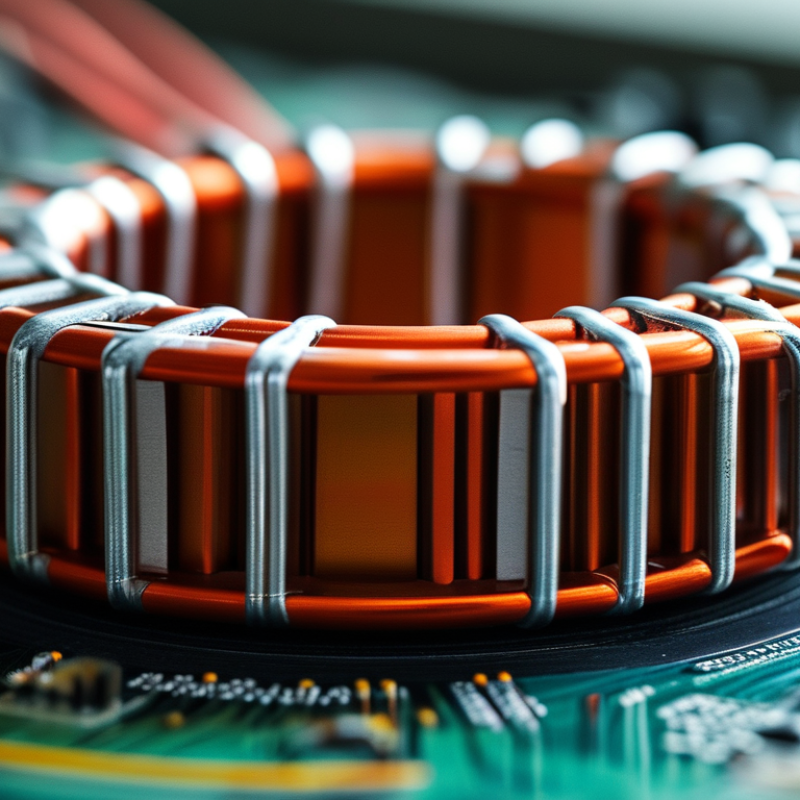
A common mode choke is an essential component in electronic circuits. It is designed to suppress electromagnetic interference (EMI) in power lines. This device primarily filters out unwanted noise that can disrupt signal integrity. By separating common-mode signals from differential-mode signals, a common mode choke ensures that only the desired signal passes through.
This device consists of wire wound around a magnetic core. The core is typically made of ferrite, selected for its electromagnetic properties. When common-mode noise enters the circuit, the choke creates a high impedance path. This effectively reduces interference from external sources while allowing the actual signal to propagate.
One critical aspect to remember is that while common mode chokes are effective, they are not foolproof. They can be rendered ineffective by poor design or incorrect placement. Additionally, their performance can vary with frequency. Understanding their limitations is crucial when implementing them into a design. Effective filtering is a balance between component selection and circuit layout.
Principle of Operation for Common Mode Chokes
Common mode chokes are essential components in electronic circuits that suppress unwanted electromagnetic interference. The principle of operation relies on their ability to block common mode signals while allowing differential signals to pass. Often used in power supplies and data lines, these chokes consist of two coils wound on a magnetic core. This design enhances efficiency and limits noise.
According to industry reports, common mode chokes can reduce electromagnetic interference by more than 30 dB across a wide frequency range. This capability makes them crucial in sensitive applications like telecommunications and medical devices. They work by creating a magnetic field that opposes common mode signals, effectively attenuating noise from power lines or other sources. However, their effectiveness can vary based on the choke's design and operating frequency.
Designers sometimes face challenges when selecting common mode chokes. Factors like core material, winding type, and impedance matching can significantly impact performance. It’s also essential to account for the specific application’s requirements. For example, while choking high-frequency noise, some chokes may inadvertently affect low-frequency signals. Balancing these elements is key, and ongoing performance evaluations are necessary for optimal operation.
Common Mode Choke Effectiveness Over Frequency
This chart illustrates the effectiveness of a common mode choke in attenuating noise at various frequencies. As frequency increases, the attenuation in decibels improves, showcasing the choke's ability to filter out unwanted signals.
Applications of Common Mode Chokes in Electronics
Common mode chokes play a vital role in electronic circuits. These components help filter out unwanted noise and eliminate voltage spikes, ensuring smooth operations. They are used in power supplies, data lines, and audio equipment. By suppressing common mode interference, they enhance the performance and reliability of devices.
In audio applications, common mode chokes can reduce hum and noise. They filter out electromagnetic interference, creating clearer sound quality for musicians and listeners alike. In data transmission, these chokes protect signals from external disturbances, ensuring accurate data transfer. Engineers should consider choke placement for optimal performance.
When selecting a common mode choke, it's important to consult specifications closely. Each application may require different ratings and characteristics. Testing in real-world scenarios can reveal issues not apparent during simulations. Always be prepared to adjust your design based on testing outcomes. This approach fosters better reliability and performance in your electronic systems.
Benefits of Using Common Mode Chokes
Common mode chokes are critical components in electronic circuits. They effectively filter out noise and electromagnetic interference (EMI). This improves signal integrity. According to a report from ResearchAndMarkets, the global market for common mode chokes is expected to grow significantly, with a projected CAGR of over 8% from 2022 to 2028. Such data underscores the rising importance of these components in various applications.
The benefits of using common mode chokes are substantial. They can enhance performance in power supplies, data communication, and more. By suppressing common mode noise, these chokes help in reducing unwanted signals. This leads to better efficiency in systems. A study in the IEEE Transactions shows that employing common mode chokes can reduce EMI by up to 40% in certain configurations. This is particularly vital in environments with high electromagnetic interference.
In addition, they improve compliance with regulatory standards. Many sectors, including automotive and industrial, face strict EMI regulations. Common mode chokes help ensure devices meet these requirements. However, it's essential to select the right choke for each application. Overloading or improper installation can lead to underperformance. Such issues highlight the need for careful consideration when integrating these components into a design.
Installation and Maintenance of Common Mode Chokes
Common mode chokes play a crucial role in reducing electromagnetic interference in electrical systems. Proper installation and maintenance of these components are essential for optimal performance. When installing a common mode choke, it is important to ensure that the choke is positioned correctly in the circuit. This includes maintaining the right orientation and securing all connections tightly. A loose connection can lead to increased noise and reduced efficiency.
Regular maintenance checks are equally important. Inspect the choke for signs of wear or damage. Look for discoloration, cracks, or corrosion. These issues can compromise its effectiveness. Cleaning the choke and checking connecting points can prevent potential failures. While installation seems straightforward, attention to detail is critical. Application of electrical grease on connections can enhance durability.
One common mistake is ignoring the specifications. It's essential to match the choke with the system’s voltage and current ratings. Using an inappropriate choke can lead to inadequate performance. Consider consulting documentation or experts for guidance. This proactive approach will ensure that the common mode choke functions properly and contributes to the overall reliability of your system.
What is a Common Mode Choke and How Does It Work? - Installation and Maintenance of Common Mode Chokes
| Parameter |
Description |
| Type |
Common Mode Choke |
| Function |
Filters out noise on signal lines |
| Applications |
Used in power supplies, audio equipment, and communications |
| Installation Location |
Close to the source of interference |
| Maintenance |
Regular inspection for physical damage and proper connections |
| Key Advantages |
Improves signal integrity, reduces electromagnetic interference (EMI) |
| Common Specifications |
Inductance value, current rating, DC resistance |